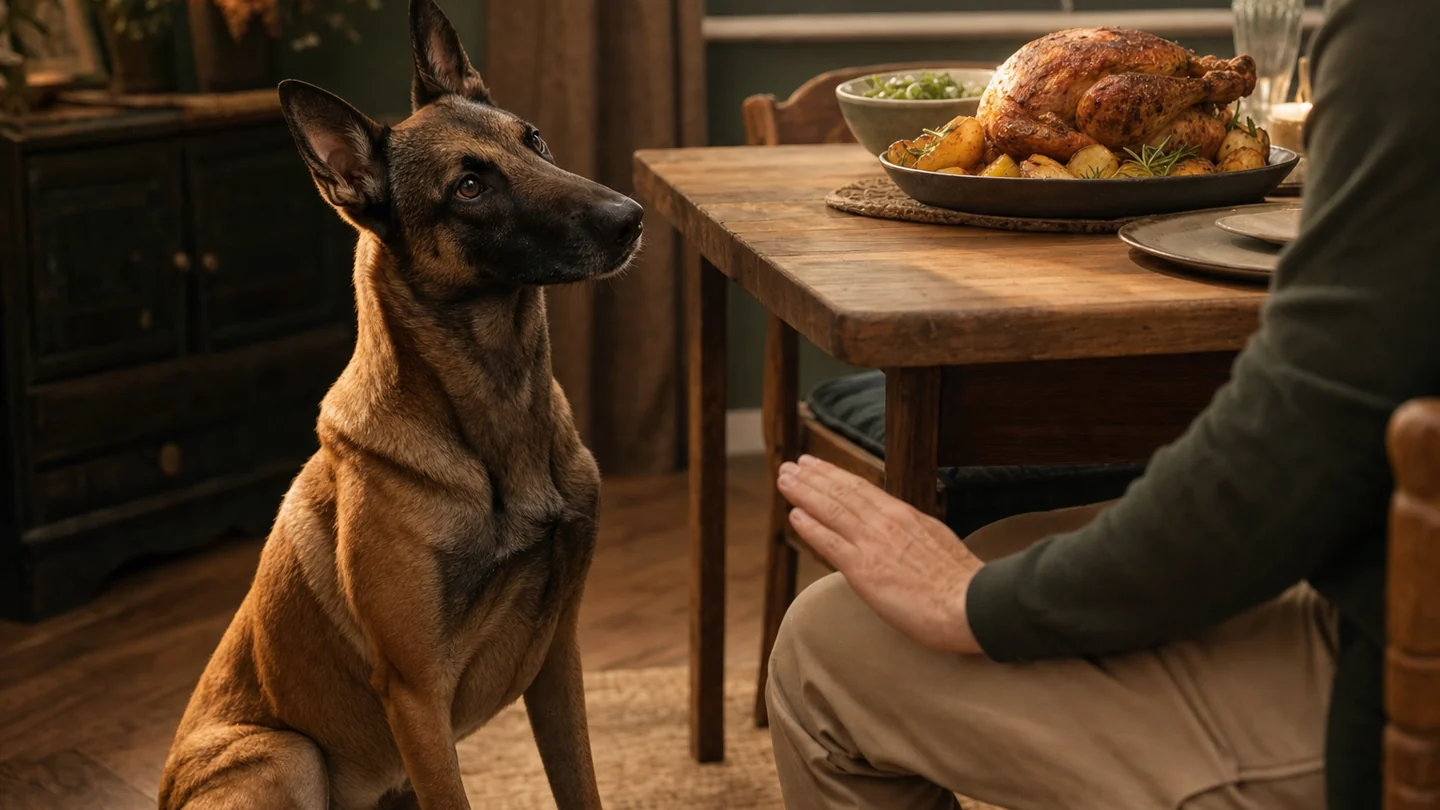
Malinois for Protection is an independent website about Belgian Malinois, protection work and working dogs. It is written for owners, handlers, trainers and anyone who wants to understand how these dogs are selected, developed, trained and managed.
01
Purpose
Why this project exists
Working dogs are often presented through short training clips, breed stereotypes and impressive claims. These do not explain why one dog succeeds in the work while another dog does not.
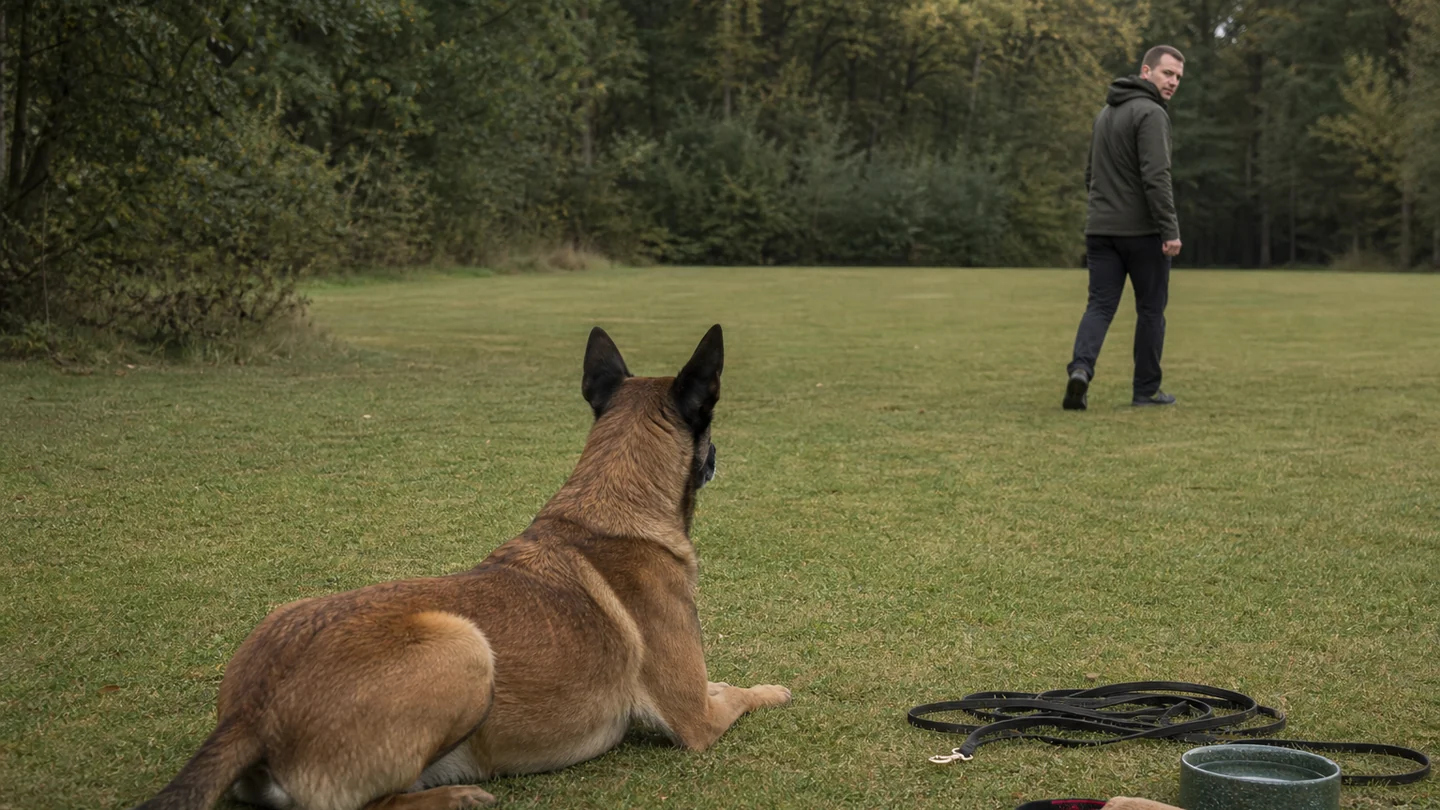
This website looks at the complete picture: breeding, candidate selection, puppy development, training, handling, health and the environment in which the dog is expected to work. The aim is to explain what makes a suitable working dog, what responsible training looks like and where the limits are.
02
Primary focus
Belgian Malinois and protection work
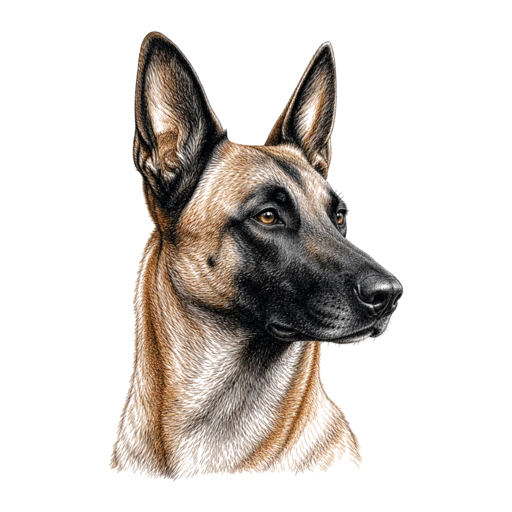
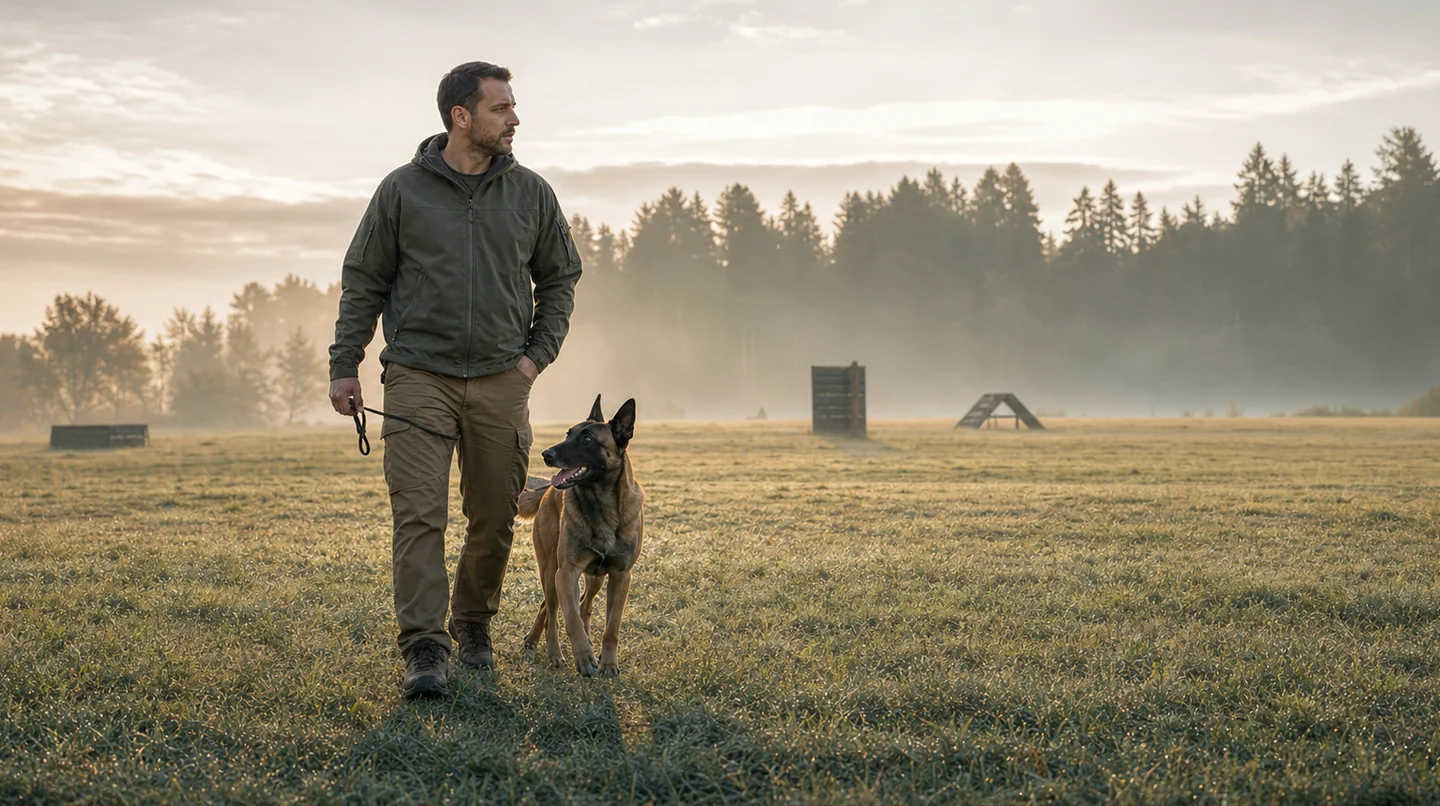
The Belgian Malinois is the main breed covered by this website. Protection work is the main discipline. Articles look at candidate selection, puppy development, motivation, environmental confidence, obedience, controlled protection work, handler responsibility and life outside the training field.
Being a Belgian Malinois does not automatically make a dog suitable for protection work. A pedigree and high intensity are not enough. The dog requires suitable health and temperament, while the handler must be able to develop and manage the dog without sacrificing control or welfare.
03
Wider field
Working dogs beyond protection
Protection work is only one part of the working-dog world. Search and rescue, tracking, detection, herding, assistance work and working-dog sports all have different goals. Each discipline therefore places different demands on the dog, the training and the handler.
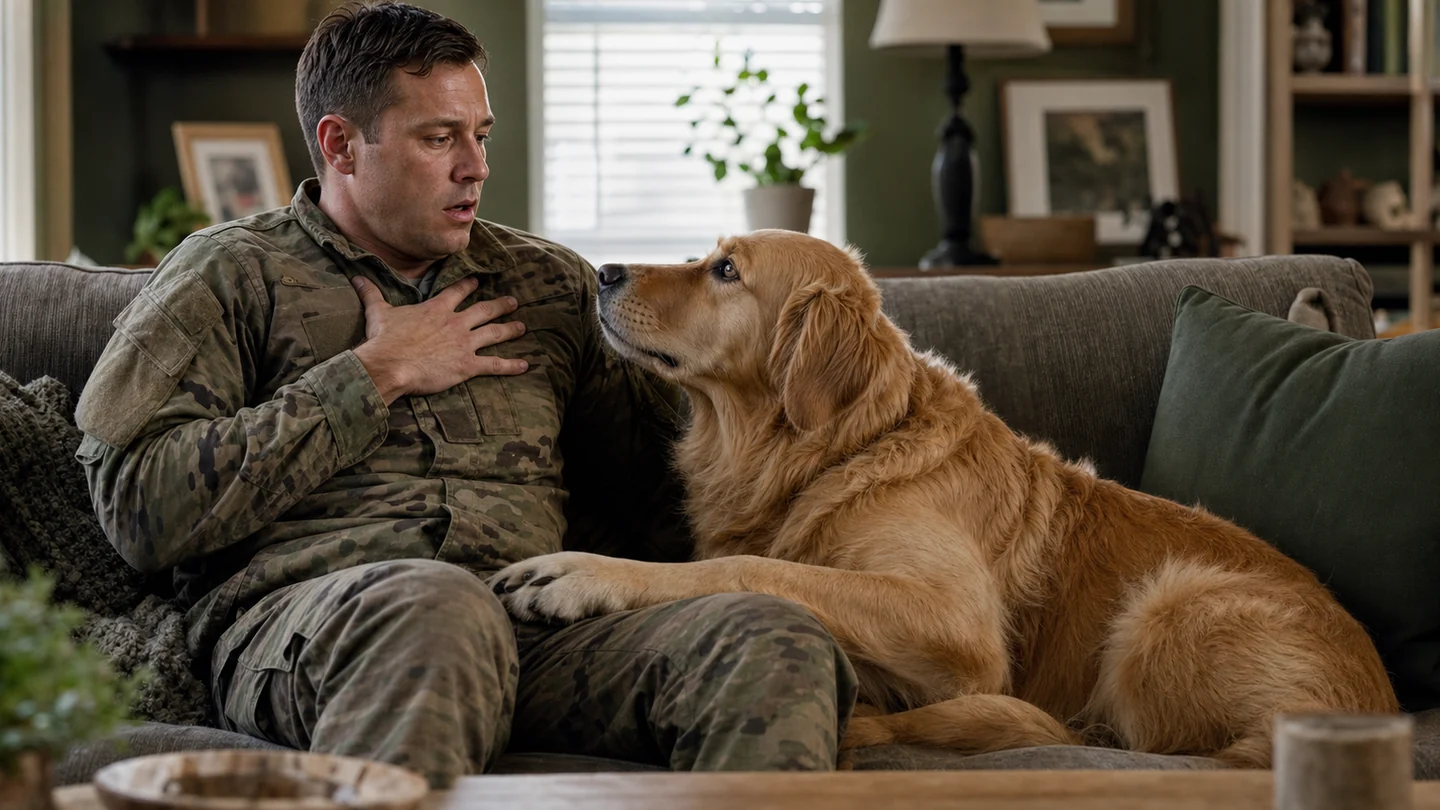
Methods cannot simply be copied from one discipline to another. A Golden Retriever assisting a person during a panic attack and a Belgian Malinois training for protection work have very different jobs. Comparing both helps separate general working-dog principles from the requirements of one particular task.
04
Editorial method
How articles are produced
01Define the question
02Add practical experience
03Research reliable sources
04Cross-check important claims
05Write, verify and revise
Each article starts with a clearly defined question. Practical experience is used to identify the relevant points, assumptions and uncertainties before the available sources are researched.
Sources are chosen according to the subject. These can include official standards, working-dog organisations, veterinary bodies, peer-reviewed research and specialist books. Important claims are linked to the sources they are based on.
05
Boundaries
Scope and limits
Questions and corrections
The articles provide general information and cannot assess an individual dog or situation. If something is unclear, incomplete or incorrect, use the contact details below. Please include the page URL and, if possible, a source that explains the issue.