
Choosing the dog
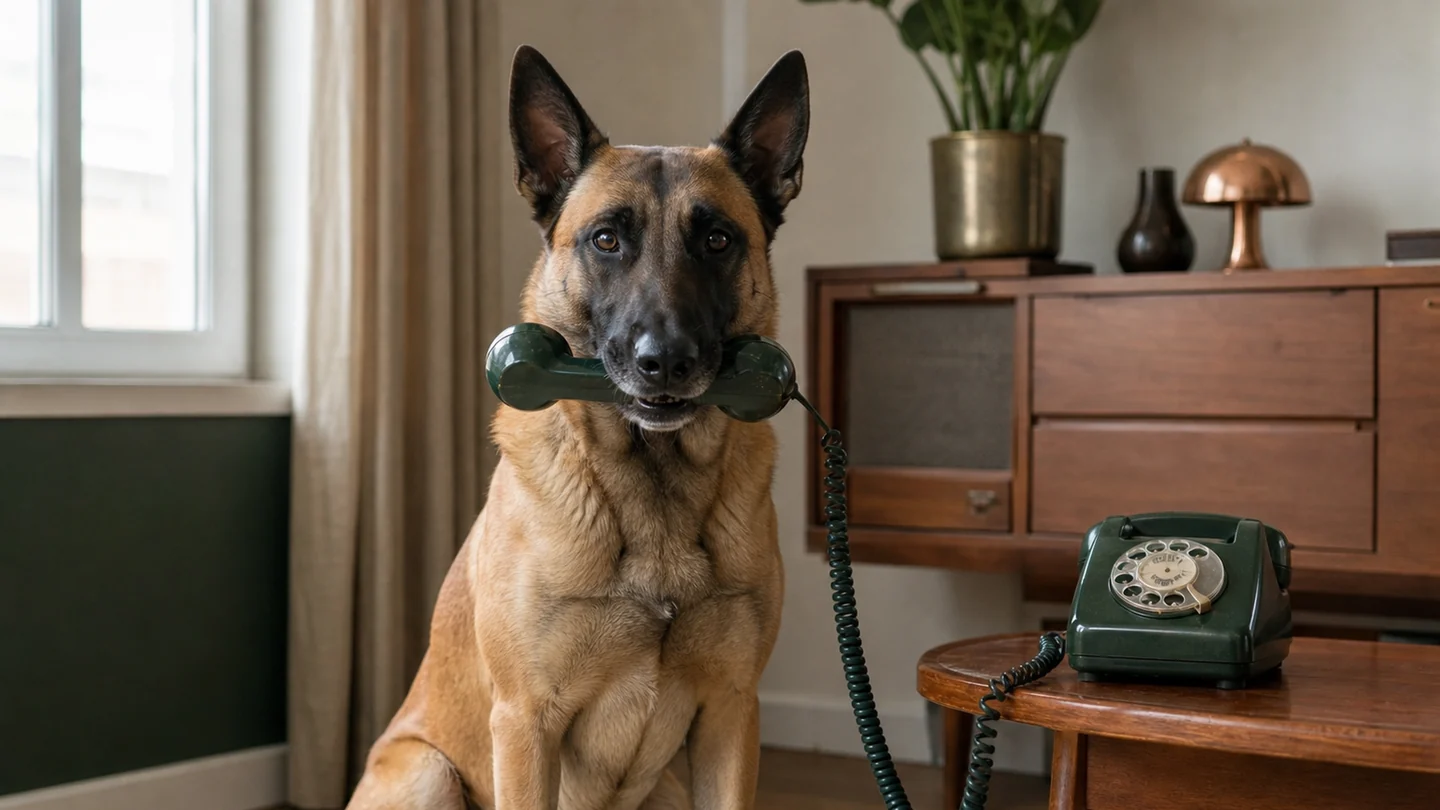
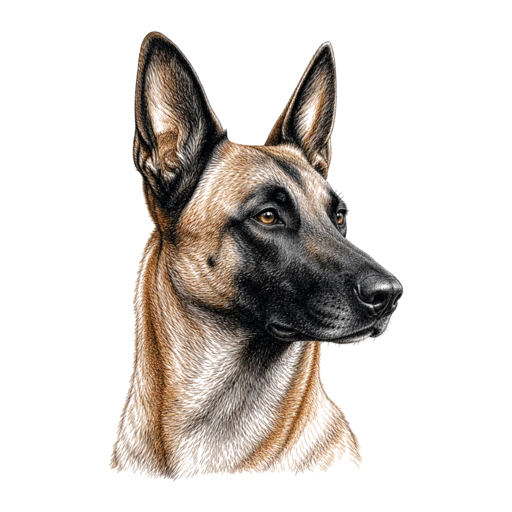
Breed and pedigree matter, but neither guarantees that a dog is suitable for protection work. Health, temperament, recovery, motivation and the intended home or job must each be assessed separately.
Malinois · Protection · Working dogs
This independent website explains the dogs, training, handling and disciplines behind serious working-dog practice. Articles use reliable sources and keep practical limits visible.
The central subject
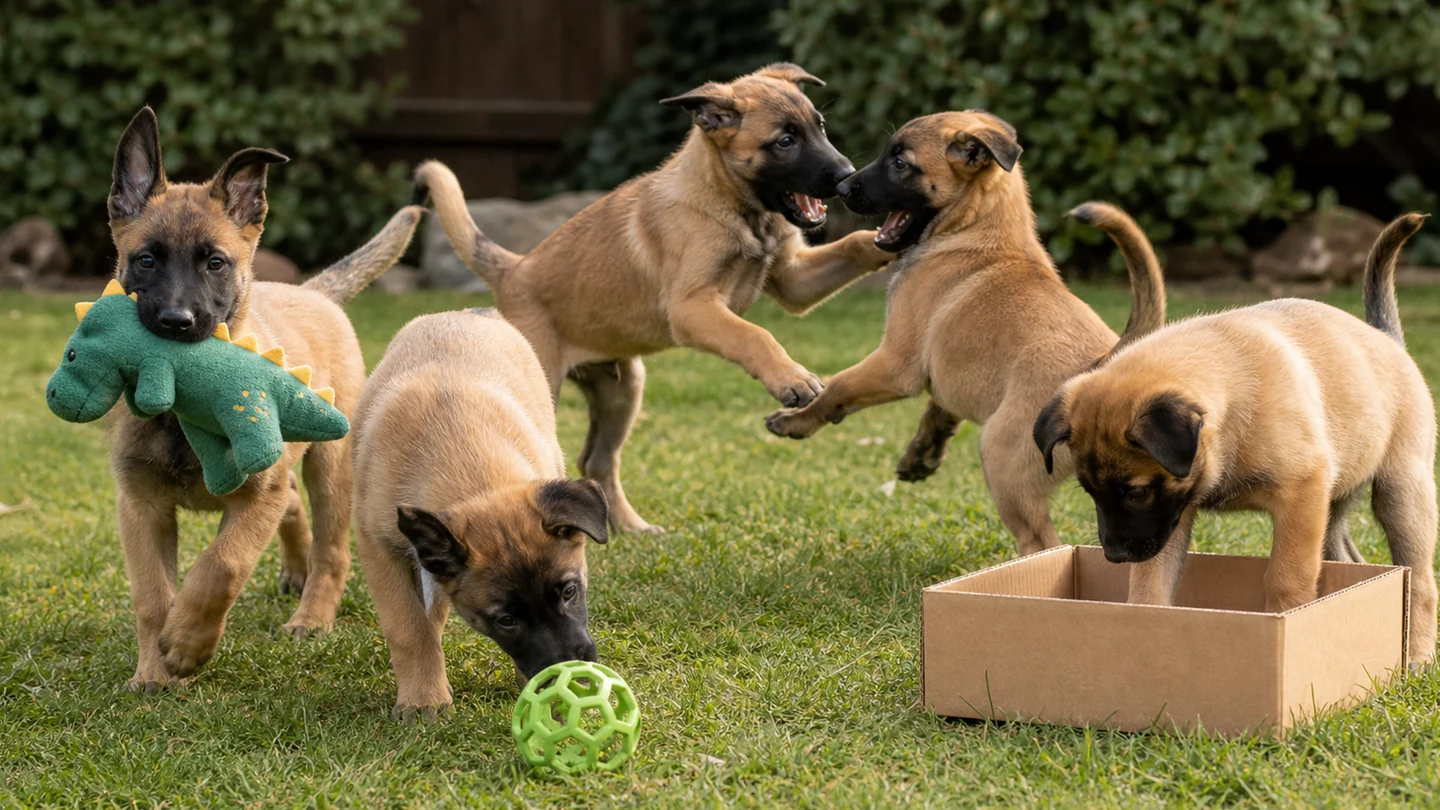
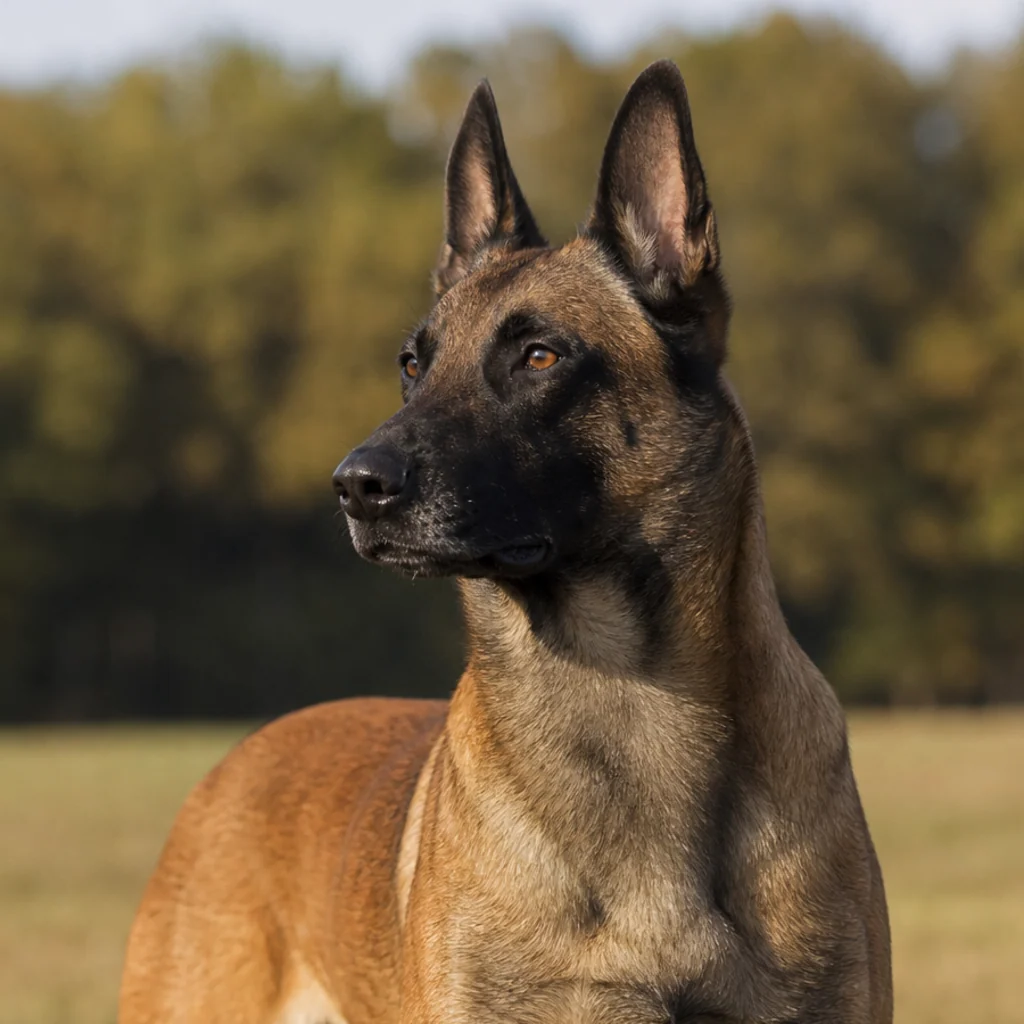
The Belgian Malinois is fast, intense and has a strong appetite for work. These traits are only useful when the individual dog is suitable, the foundations are sound and the handler keeps the work clear and controlled.
Breed and pedigree matter, but neither guarantees that a dog is suitable for protection work. Health, temperament, recovery, motivation and the intended home or job must each be assessed separately.
Protection training is built on engagement, environmental confidence, obedience and the ability to move between arousal and calm. Control is part of protection work, not an optional extra.
A protection dog still needs to travel, settle, meet ordinary people and remain manageable outside training. Handler skill, welfare, the law and long-term care determine whether this can be done responsibly.
Beyond protection
Each job requires a different dog, different instincts and a suitable handling system. What they have in common is purposeful work and the time required to prepare a dog to perform it reliably.
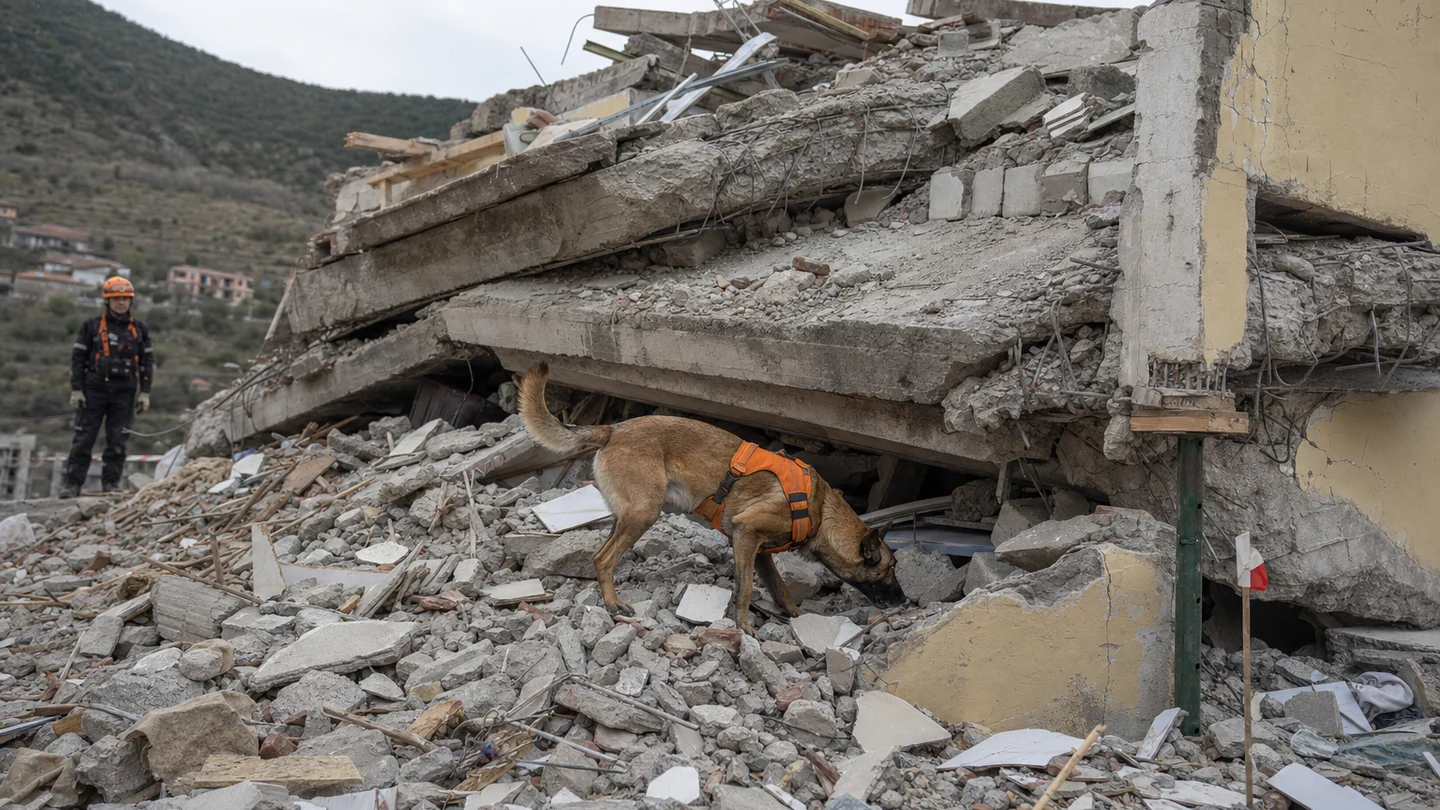
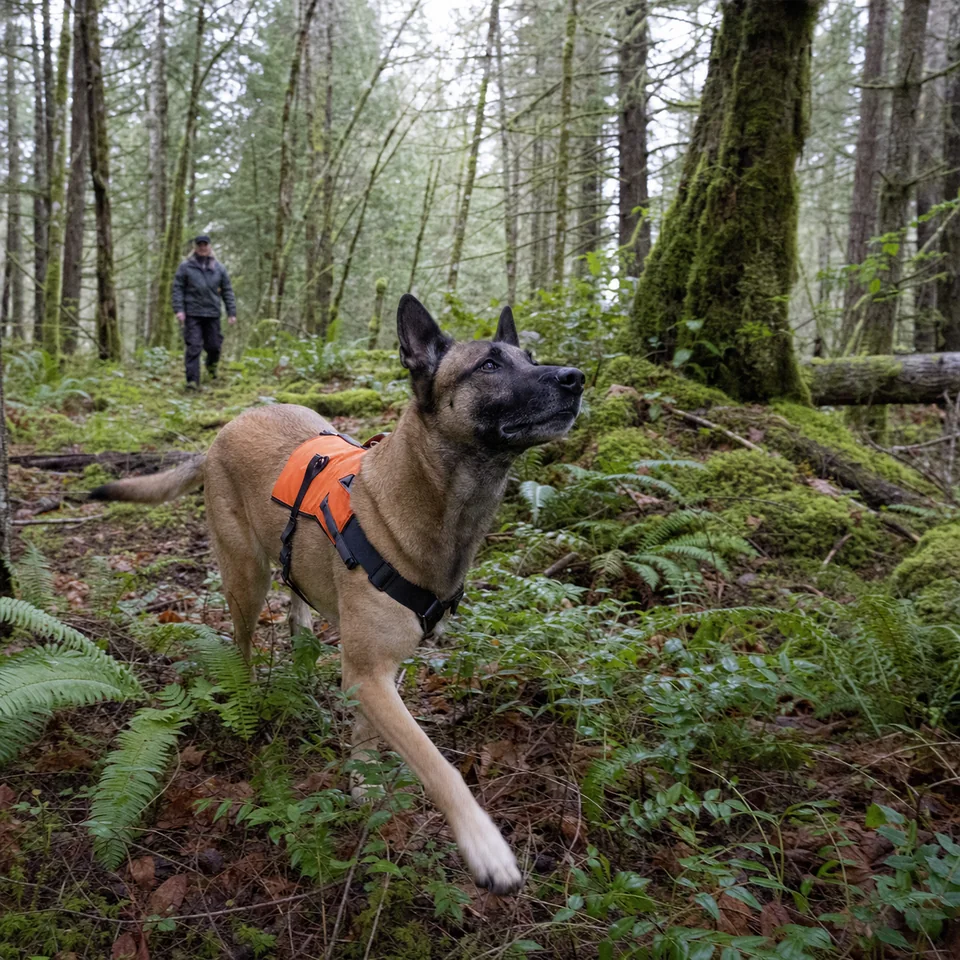
Search-and-rescue dogs use scent to locate missing people. They may range across open ground, search buildings or rubble, or follow a route left by one person.
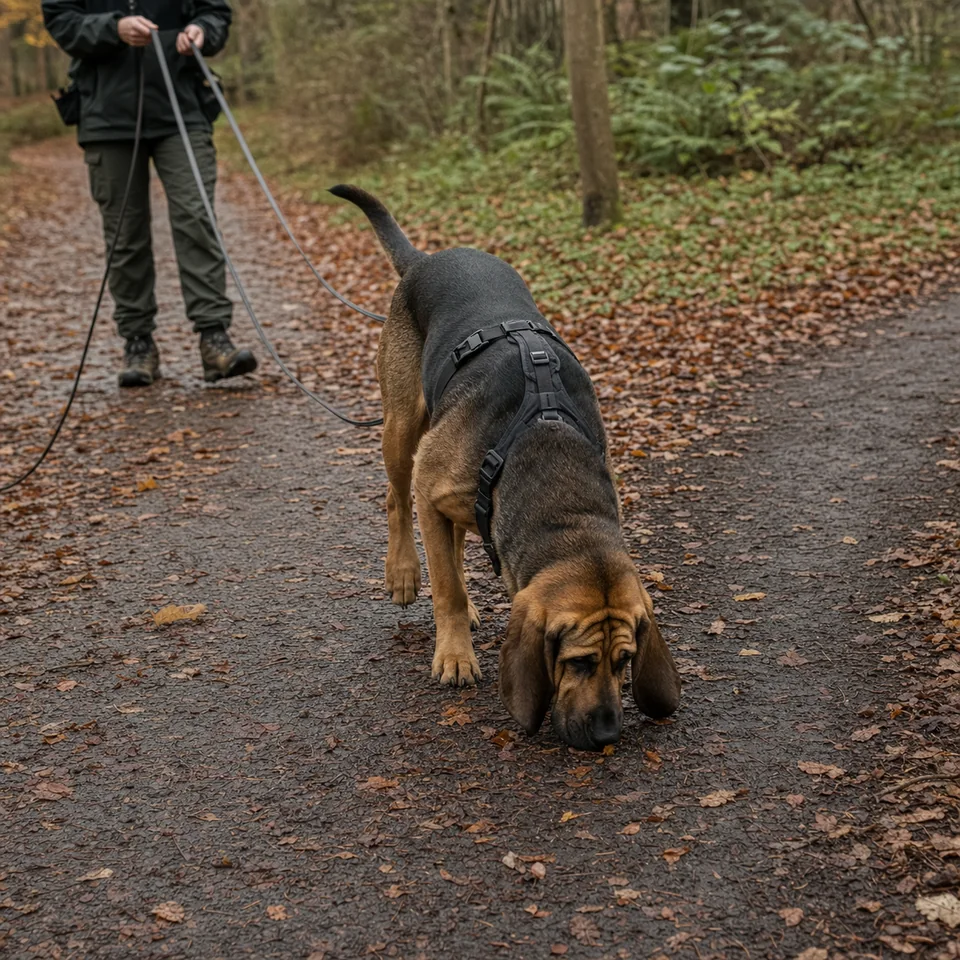
Tracking dogs follow the disturbed ground along a route; mantrailing dogs follow the individual scent of one person. Both usually work on a long line with a handler.
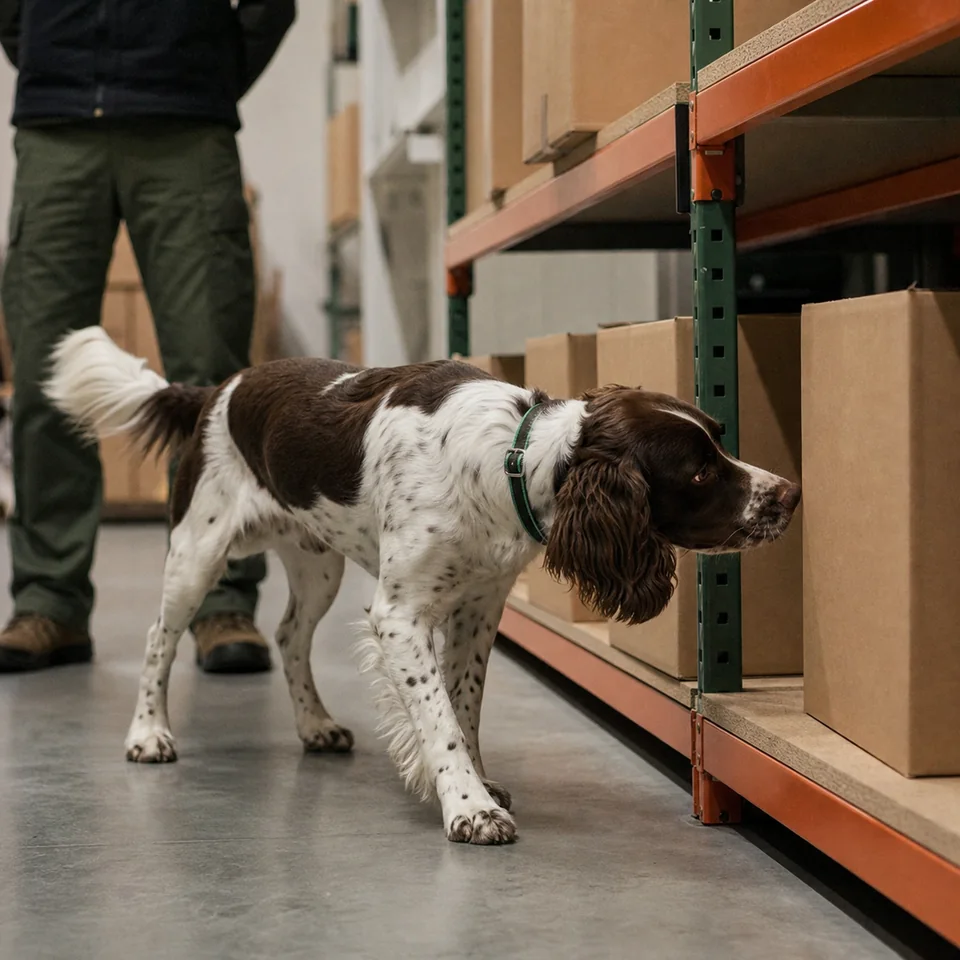
Detection dogs search for a specific trained target odour and give a clear indication when they find it. The target may be an object, substance, animal or biological sample.
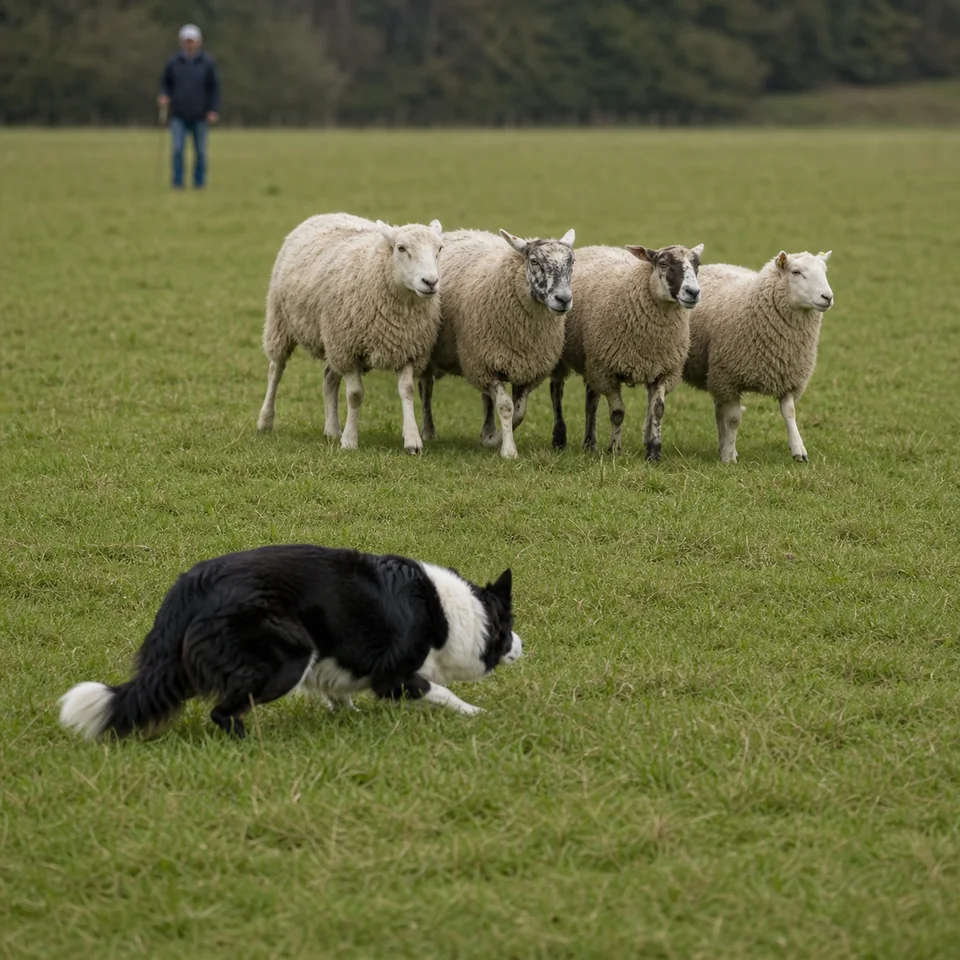
Herding dogs use controlled movement and pressure to gather, drive or hold livestock. Other livestock dogs live with a flock and deter predators rather than moving the animals.
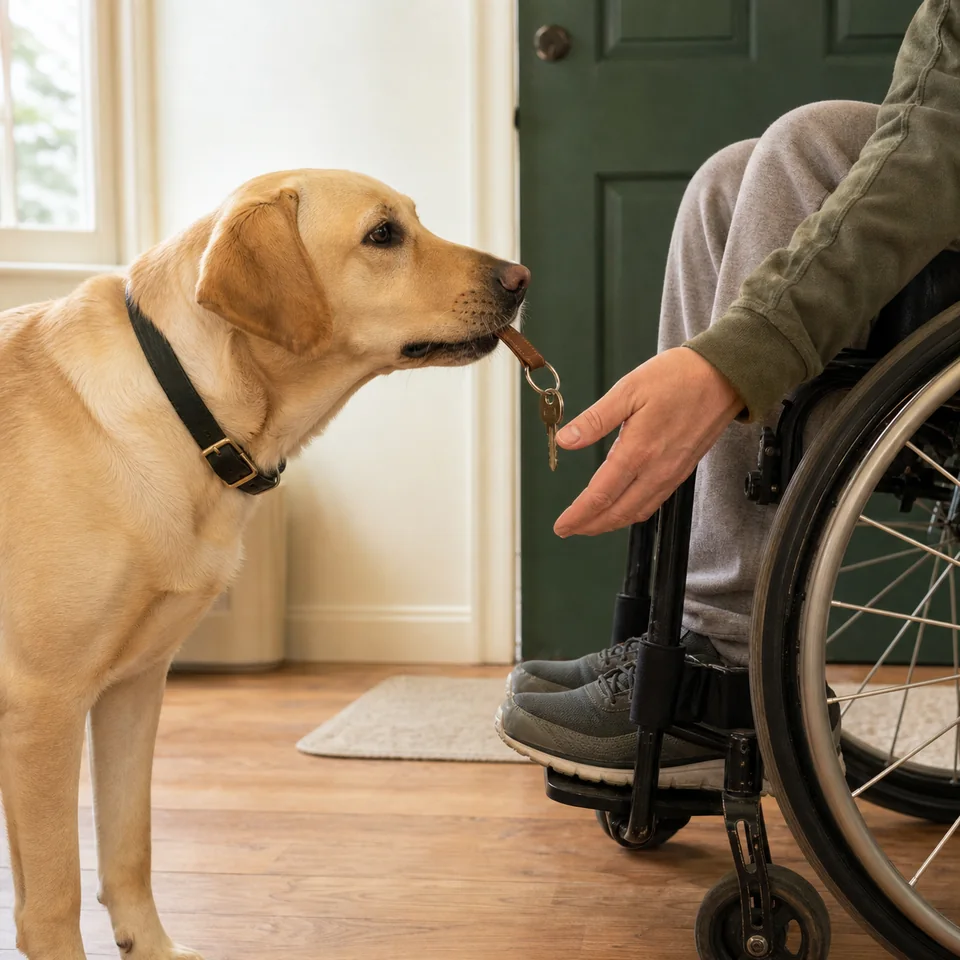
Assistance dogs perform trained tasks that reduce the effects of a person's disability, such as retrieving objects, opening doors, guiding or alerting to a change.
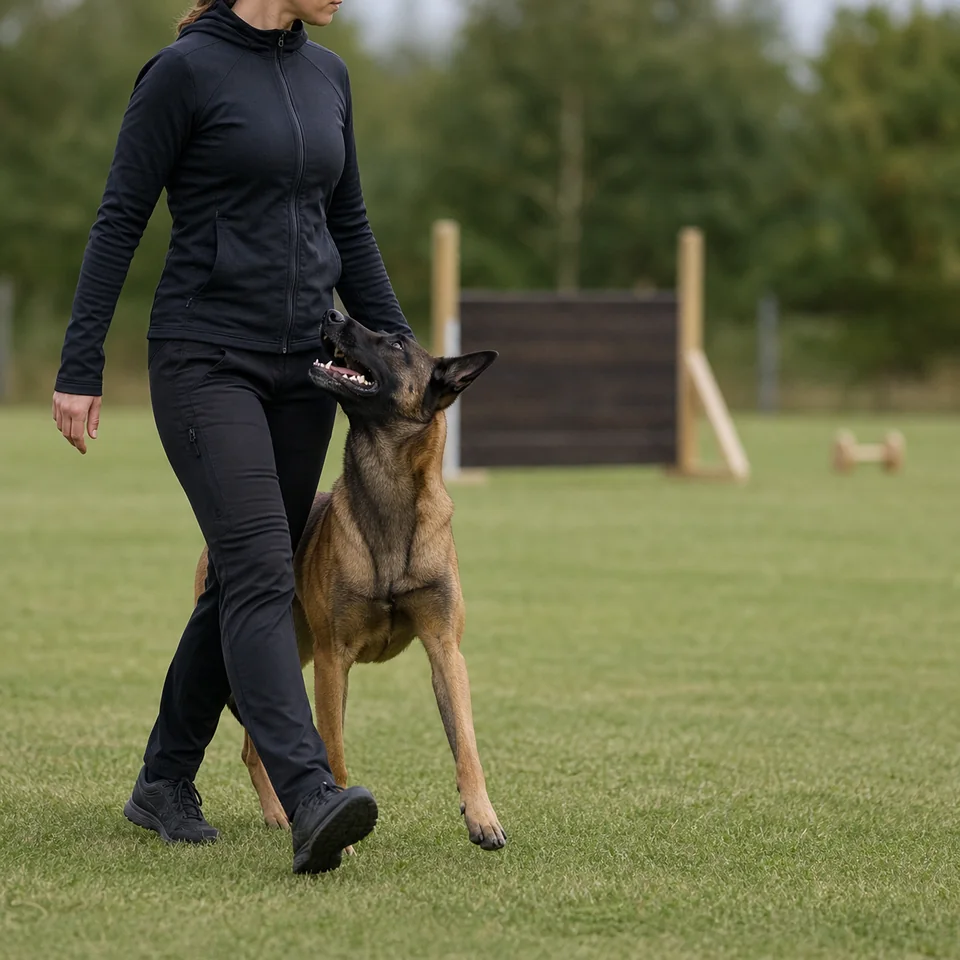
Working-dog sports test defined exercises in obedience, scent, agility, control or protection. They provide consistent rules for competition without reproducing every demand of real work.
Across every discipline
Working ability is not one trait and it is not produced in one training session. The articles follow the dog, the handler and the work over time.
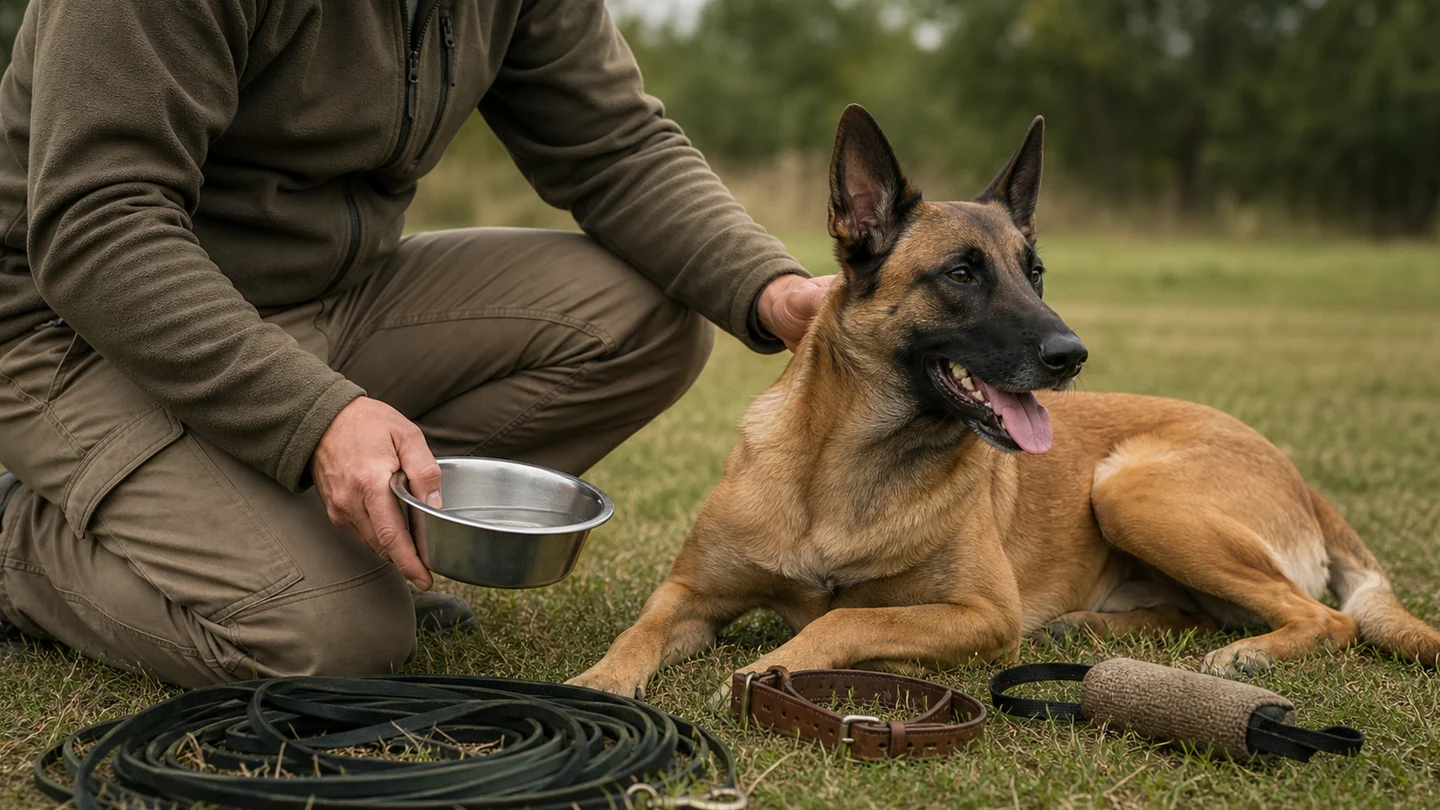
This includes breed purpose, health, temperament, motivation, resilience and the match between an individual dog and a particular job.
Development starts with social experience, different environments, play, reinforcement and clear communication before progressing towards task-specific work.
Timing, observation, mechanics, criteria and the handler's own education all affect the work produced by the team.
Conditioning, equipment, stress, recovery, veterinary care, housing and transport all affect whether a working dog remains capable without being treated as disposable.
About the project
Malinois for Protection is an independent educational website. Articles use reliable sources, explain uncertainty and keep practical limits visible. Working dogs are complicated enough without turning them into slogans.
From the blog
Detailed guides about choosing, developing, training and caring for Belgian Malinois and other working dogs.
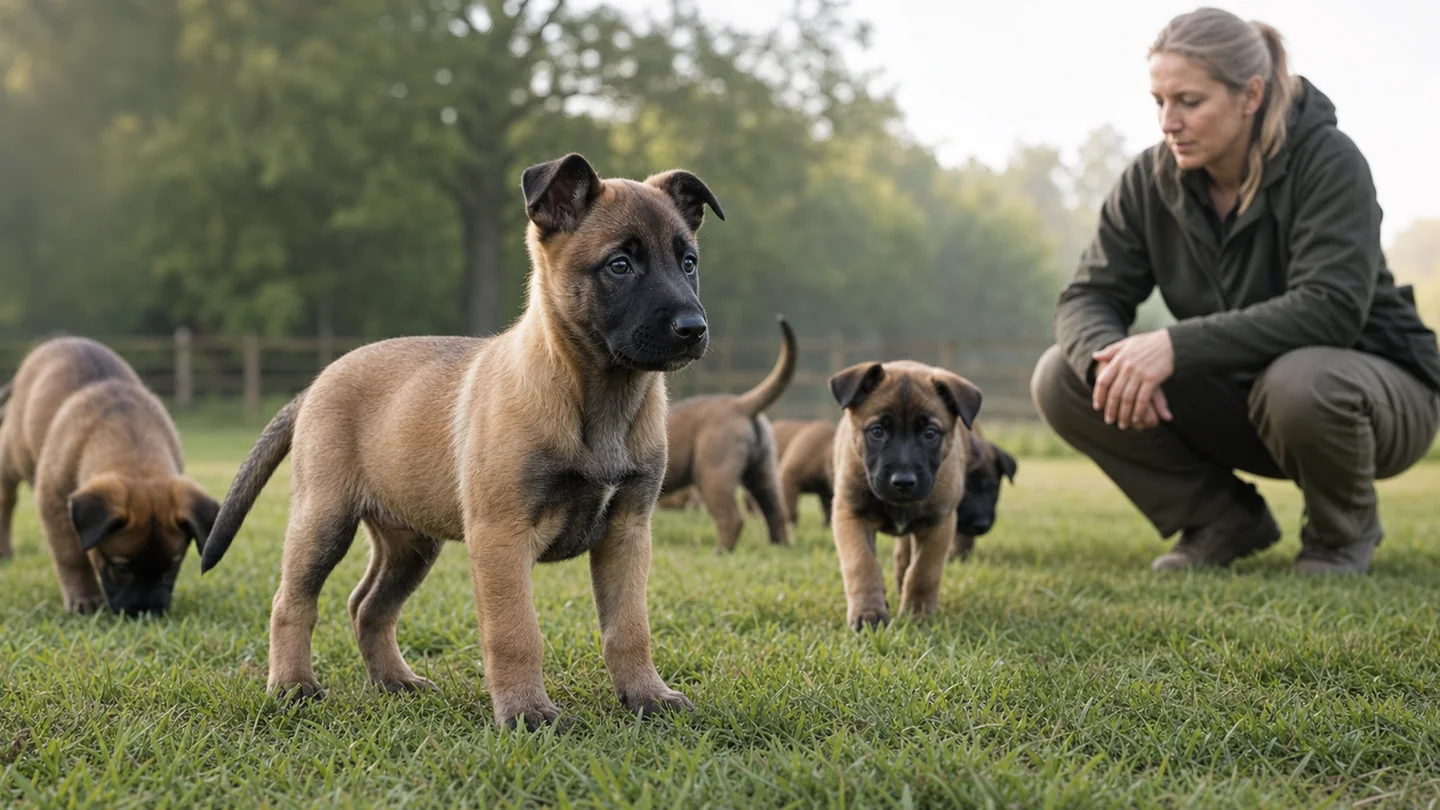
This guide explains how to assess the breeder, parents, litter and individual puppy—and why even an excellent puppy assessment improves your odds without guaranteeing the adult dog.
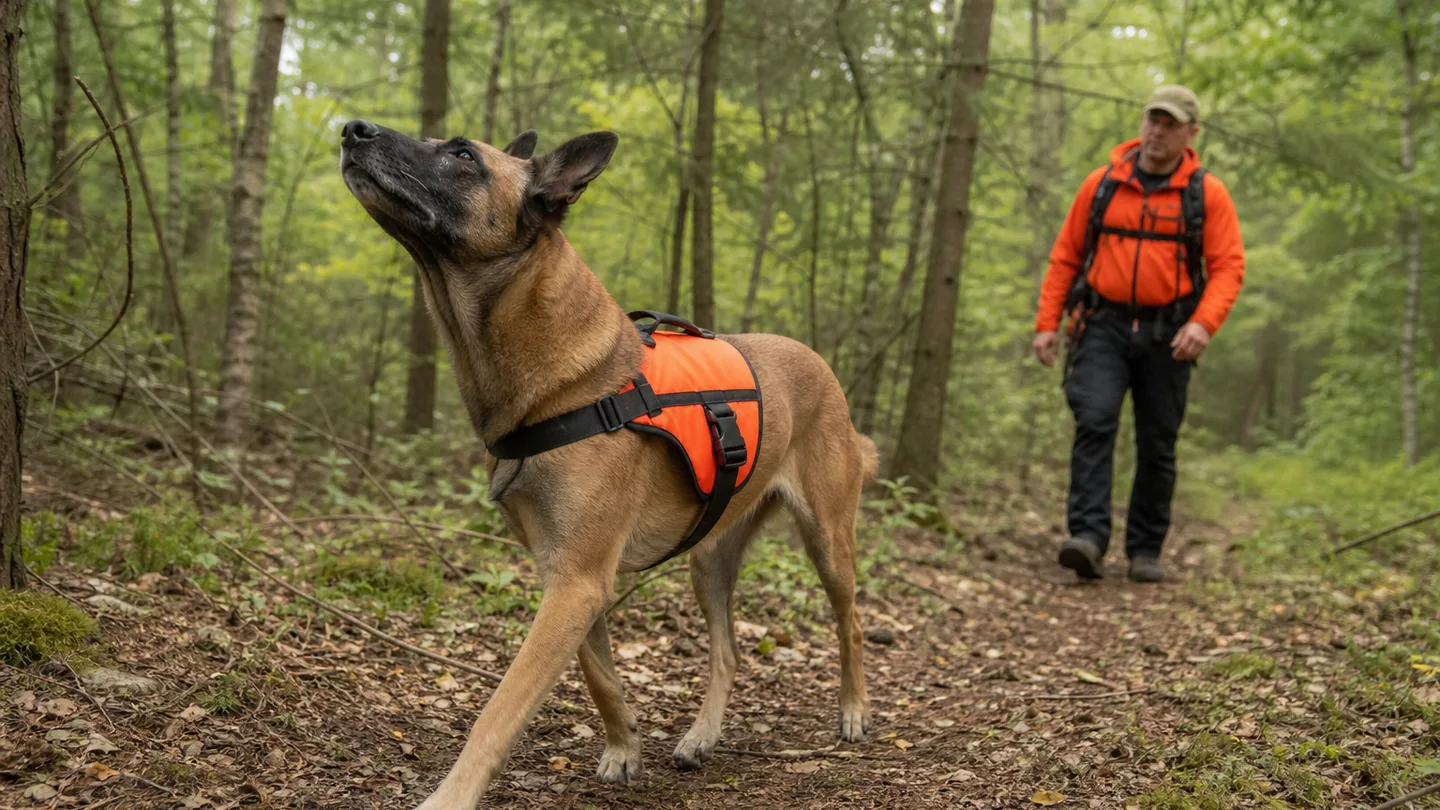
Interested in SAR work? This guide explains the jobs, training, standards, time, safety and qualities required so you can decide whether search and rescue fits you and your dog.
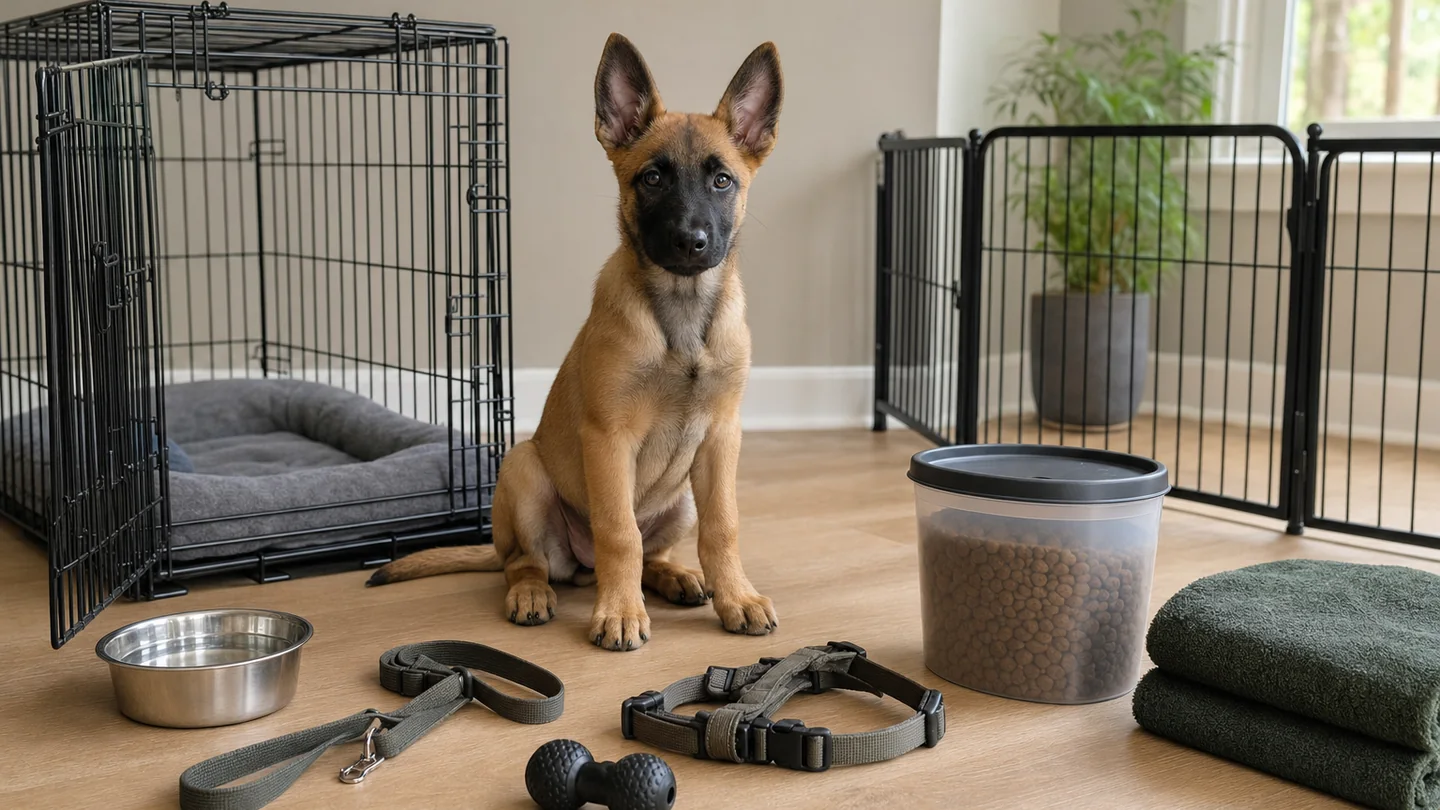
The essential equipment, records and household preparation a Belgian Malinois puppy needs—without filling the house with unnecessary gear.
Contact
Please write if something is unclear, incomplete or incorrect. You can also suggest a source, article subject or professional collaboration.
Email Malinois for Protection info@malinois-for-protection.com